Tracing Roots: Why So Many Americans Are Booking Flights to Their Ancestors' Front Doors
Photo: Jorge Royan, CC BY-SA 3.0, via Wikimedia Commons
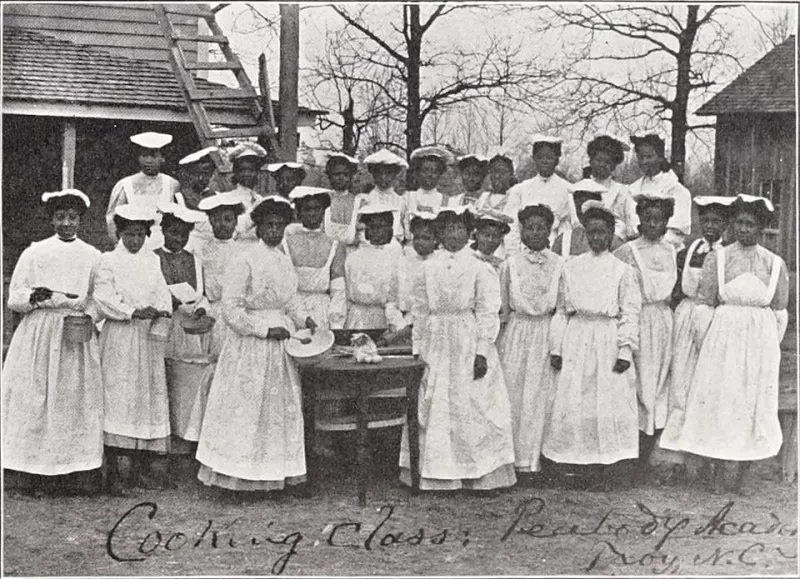
Somewhere in a shoebox, most American families have the same artifact: a faded photograph of a great-grandparent standing stiffly in front of a house that no one alive has ever visited. For decades, that photo stayed in the box. Now it's becoming an itinerary.
Heritage travel — trips planned around ancestral homelands rather than bucket-list landmarks — is one of the fastest-growing trends in American tourism. Fueling it: affordable DNA testing, digitized immigration and church records, and a cultural moment in which identity feels less like a fixed label and more like a puzzle worth assembling. If the last few years taught us anything, it's that people crave connection — to place, to story, to something older than themselves.
Why Now?
The tools got cheap and the records went online. What once required hiring a professional genealogist and mailing letters to foreign parish offices can now start with a $99 DNA kit and an afternoon on Ancestry or FamilySearch. Meanwhile, countries like Italy, Ireland, Poland, and Portugal have leaned in, some offering citizenship-by-descent programs that turn a family tree into a legal document — and, for the ambitious, an EU passport.
But the deeper motivation is emotional. A standard vacation is about escape. A heritage trip is about arrival — walking the street your great-grandmother walked before she got on a boat, and understanding, in some small physical way, why she left.
Start With the Paper, Not the Plane
The biggest mistake first-timers make is booking a flight before doing the homework. Resist it. A heritage trip without research is just tourism with a sentimental soundtrack.
- Work backwards. Start with the relative you knew best and move generation by generation. Birth, marriage, and death certificates are your anchors.
- Mine the free stuff first. FamilySearch, the National Archives, and Ellis Island's passenger database cost nothing and often crack cases that paid services can't.
- Pin down a place, not a country. "Italy" is not a destination for this kind of trip. A village, a parish, a street — that's the target. Regional records offices will care about precision.
- Expect name changes. Immigration officers, clerks, and nervous newcomers mangled names constantly. Search phonetic spellings and initials.
Hire a Local Guide — Seriously
Once you've identified a village or district, a local guide or genealogist transforms the trip. They can often access civil and church records that aren't online, translate on the spot, and — this is the part people don't expect — sometimes introduce you to distant cousins still living in the area.
Yes, this happens. More than you'd think. In small Irish parishes, Sicilian hill towns, and Vietnamese villages alike, the local registrar has seen this before: the American who shows up with a photocopied document and trembling hands. Many communities now have informal networks for exactly these visits.
The Citizenship Question
If your research turns up a grandparent or great-grandparent from the right country, look into citizenship by descent. Italy, Ireland, Poland, Germany, Hungary, and others have programs, each with different rules about generations, marriage, and naturalization dates.
Be warned: this is paperwork, not a weekend project. Some applications take years and require certified translations and apostilled documents. But for families who do it, the payoff isn't just a second passport — it's a legal, permanent link to a place that previously existed only in stories.
Making the Trip Mean Something
The travelers who get the most out of heritage journeys treat them differently from the start:
- Stay local. A guesthouse in the village beats a chain hotel in the capital. So does eating where the residents eat.
- Bring the artifacts. Old photos open doors — literally. Show a photo of the family homestead to a neighbor and watch what happens.
- Learn a few words. Even a clumsy greeting in the ancestral language signals respect and unlocks warmth.
- Document everything. Record the church bells, photograph the headstones, copy the parish register entries. Your kids will want this someday, whether they know it yet or not.
More Than a Vacation
Here's the thing about standing in the field your ancestors farmed: it rearranges you a little. The trip doesn't end when you fly home. People come back and keep researching, keep corresponding with the cousin they found, keep planning the return.
That's the real difference between heritage travel and ordinary tourism. The sights are the same planet; the meaning is different. You're not collecting places. You're collecting the story of how you got here — and, occasionally, adding a new chapter in the village where the old ones began.