Snail Mail, Real People: Why I Ditched the Group Chat for a Pen Pal in Lisbon
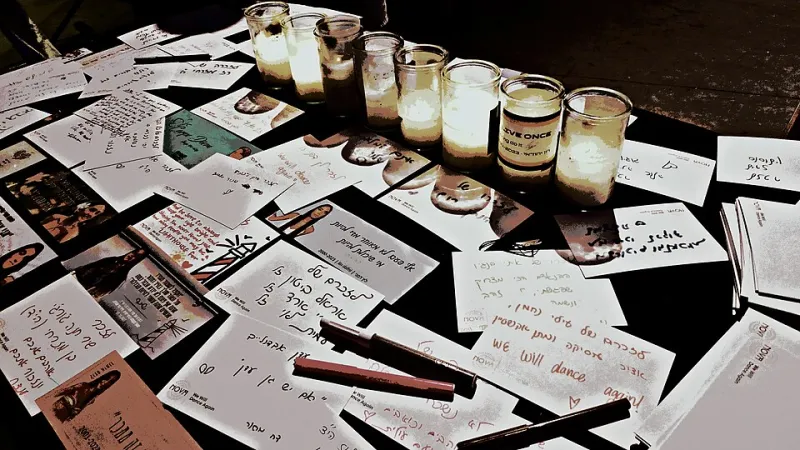
Photo: Chenspec, CC BY-SA 4.0, via Wikimedia Commons
I have a friend in Lisbon I've never met. Her name is Marta, she teaches high school history, she thinks American diner coffee is a crime against civilization, and I know all of this because we write each other actual letters. On paper. With stamps. It takes ten days for my words to reach her and ten more for hers to reach me, and honestly? The waiting is the whole point.
Somewhere between the algorithm-fed sameness of social media and the burnout of group chats, a quiet counter-movement has taken hold. Young Americans — plenty of them digital natives who could video chat with anyone on Earth in seconds — are choosing to write to strangers instead. Postcard swaps, pen pal programs, letter-writing clubs that meet in coffee shops with fountain pens and washi tape. It sounds quaint. It's anything but.
The Case Against Instant
Here's my theory about why slow mail is booming: immediacy has made connection cheap. A DM takes four seconds and means almost nothing. A letter takes an evening. You choose the paper, you wrestle with what's worth saying, you seal it and let go. When a reply finally arrives, it carries weight that no notification ever will.
There's also the travel angle, and for readers of this site, it's the best part. When I started planning a Portugal trip last spring, I didn't consult a top-ten listicle. I asked Marta which neighborhood she'd actually live in, which pastelaria does the best nata at 7 a.m., which tourist trap to skip. No influencer, no booking platform, no AI itinerary could replicate that. A pen pal isn't a contact — they're a person, and people are the difference between visiting a place and knowing it.
Finding a Reputable Exchange (Without the Creeps)
Not every pen pal platform is created equal, so do a little homework before you lick that first stamp:
- Postcrossing is the granddaddy of the scene — you send a postcard to a random member somewhere in the world, and eventually one lands in your mailbox. It's address-mediated, so your home address stays private, and the community is enormous and well-moderated.
- Established language-exchange sites pair you with people learning English who want to practice with a native speaker. The incentive structure is built-in: they help you with their language, you help them with yours.
- Reddit's pen pal communities and Discord letter-writing servers work too, but apply the same rules you would anywhere online: use a PO box if you're cautious, share personal details gradually, and trust your gut.
The golden rule: start slow. First letters should be about food, weather, music, daily life — not your home address, workplace, or vacation calendar. If someone pushes for too much too fast, bow out. The good ones, like Marta, will still be writing to you a year later.
A Quick Etiquette Primer
Different cultures, different letter customs, and a little awareness goes a long way:
- Ask questions, don't just perform. The biggest rookie mistake is writing a monologue. A pen pal relationship is a correspondence, not a newsletter.
- Mind the humor gap. Sarcasm lands differently across cultures and languages. Marta thought I was angry for our first three exchanges.
- Respect the pace. Some pals write monthly, some seasonally. Match their rhythm rather than demanding theirs.
- Small enclosures are magic. A tea bag, a sticker, a pressed leaf from your yard — tiny tangible things travel across borders beautifully.
- Learn a greeting in their language. Even one misspelled word in Portuguese made Marta's day. It will make someone's day.
Then Go Meet Them
Here's how this story ends — or rather, how it's about to. This fall I'm flying to Lisbon, and the first item on my itinerary isn't a castle or a tram ride. It's coffee with Marta at the café she's described in eleven letters. She's already warned me the service will be slow and the coffee will be tiny, and I already know I'll love both.
That's what a pen pal gives you that no app can: a destination with a face. A reason to learn six words of a language before you land. A table waiting for you on the other side of the ocean, held by someone who knows your handwriting better than your own family does.
The world is full of strangers who'd love to hear from you the old-fashioned way. All it costs is a stamp and a little patience — and in exchange, you get a friend in a place you've never been, and a door that's already open when you finally knock on it.