The Bleachers Are the Border: How a Sunday Cricket Match Became My Cheapest Passport
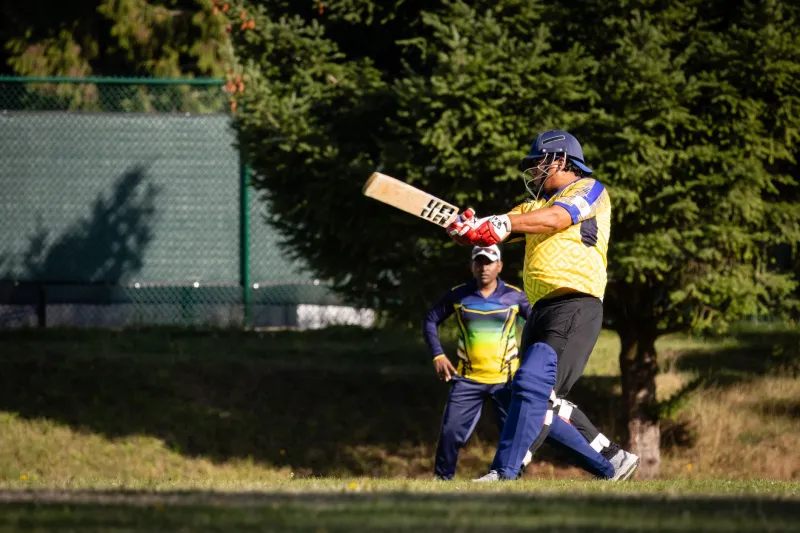
On a recent Sunday I followed the sound of a wooden bat cracking across a suburban rec complex and found something better than any airport lounge: a cricket match tucked behind a strip mall, with folding chairs lined up along the boundary, kids chasing stray balls, and a man in a club jersey waving me toward an empty seat. I had no ticket, no itinerary, and no idea how the overs worked. I stayed for four hours. It felt like a trip abroad—minus the jet lag and the $600 fare.
That’s the quiet genius of local sport in America. In cities and suburbs from Dallas to Detroit, immigrant communities run leagues for cricket, rugby, futsal, kabaddi, and more. The games are often free to watch, easy to find once you know where to look, and rich with the kind of ordinary, unfiltered cultural exchange that museums and guided tours can’t manufacture. You don’t need a passport. You need a Sunday, a folding chair, and enough curiosity to ask a few polite questions.
The Field Behind the Strip Mall
My match was not a postcard. The pitch was a rolled-out mat on a patch of rec-center grass. The scoreboard was a whiteboard propped against a cooler. The boundary was marked with orange cones and, in one spot, a discarded tire. None of that mattered. What mattered was the rhythm: the hush before a bowler’s run-up, the explosion of noise when a batsman found the gap, the running argument about whether a ball had crossed the line.
I’ve watched cricket in stadiums with giant screens and expensive snacks. This was better. The people around me were not performing culture for visitors. They were living it—arguing in three languages, passing around samosas, explaining the difference between a leg-bye and a bye with the patience of people who have done it a hundred times. A woman next to me handed me a paper plate of biryani before I’d learned anyone’s name. That’s the moment the trip began.
How to Find a League Worth Your Sunday
You don’t need a secret handshake. Start with your local parks and recreation department. Many rec centers rent fields to cricket and rugby clubs on weekends, and their online calendars often list team names and contact numbers. Search for “[your city] cricket league,” “[your city] rugby club,” or “[your city] futsal league,” then look at the league’s social pages for match schedules. Community WhatsApp and Facebook groups are gold mines, especially for newer clubs that don’t have polished websites.
International grocery stores are another shortcut. Ask the person behind the counter at a South Asian market about cricket, or the owner of a Brazilian market about futsal. They may not play themselves, but they know who does. The same goes for community centers, mosques, temples, and cultural associations. A simple “I’d like to watch a match this weekend—any idea where?” usually gets you a name and a time.
One warning: schedules can be loose. A match advertised for 10 a.m. may start at 10:40 because a team is stuck in traffic. Bring patience. Treat the posted time as a suggestion, not a contract.
What to Bring (and What to Leave in the Car)
Keep it simple:
- A folding chair or blanket. Bleachers are rare.
- Water and sunscreen. Shade is often whatever you create.
- Cash for food. Some leagues sell plates to raise money for equipment or field fees.
- A phone charger. You’ll take more photos than you expect.
- A layer for later. Afternoon games can run into dusk.
Leave behind the urge to coach from the sideline. Don’t walk onto the field during play. Don’t assume you can use flash photography near the batsman. And don’t bring your own ball unless someone asks—every league has its own equipment and its own way of doing things.
The Rules of Being a Good Guest
Ask before you photograph. A quick “Mind if I take a few pictures of the match?” goes a long way. If someone says no, put the phone away without debate.
Stay out of the playing area and away from the scorer’s table unless invited. Cheer for good play on both sides. If you don’t understand a call, ask someone near you—not the umpire in the middle of an over. Most spectators are happy to explain, especially if you’re genuinely curious and not just killing time.
Dress comfortably and modestly. Many leagues are family events, and respect is the price of admission. Learn a few names. Remember that you are a guest in someone else’s Sunday ritual, not the main character.
The Real Itinerary Starts After the Final Over
Half the journey happens after the last ball. At my match, the players packed up slowly, children claimed the field for a pickup game, and someone produced a thermos of chai. I ended up talking with a retired teacher from Lahore about his first winter in the U.S., a college student from Guyana about the difference between local cricket and the version he grew up watching, and a grandmother who insisted I take a second plate of food because I looked “too skinny for a cricket fan.”
That’s the part no guidebook covers. You don’t just learn the rules of cricket or kabaddi. You learn how people build a life in a new place and keep a piece of home alive at the same time. You hear about visas, jobs, kids, and the best place to buy good mangoes. You get invited to a wedding, a temple potluck, or a Sunday barbecue. You leave with new names in your phone and a standing invitation to come back next week.
Why This Beats Another Brunch
I’m not against brunch. But brunch rarely asks you to sit on a folding chair in the sun and learn something you didn’t know you wanted to know. A local cricket match costs almost nothing, takes place in your own city, and delivers the same jolt of unfamiliarity that makes travel addictive. It’s a passport without the plane ticket—a chance to be a beginner again, to listen more than you talk, and to let a stranger hand you a plate of food you can’t pronounce.
So next Sunday, skip the airport. Find a rec-center field, a neighborhood pitch, or a parking-lot court where a league is warming up. Bring a chair, bring cash, bring your manners. The bleachers are the border. Cross it.