Where the Sidewalk Ends and Adventure Begins: The Case for Border-Town Detours
The Magic of the Line
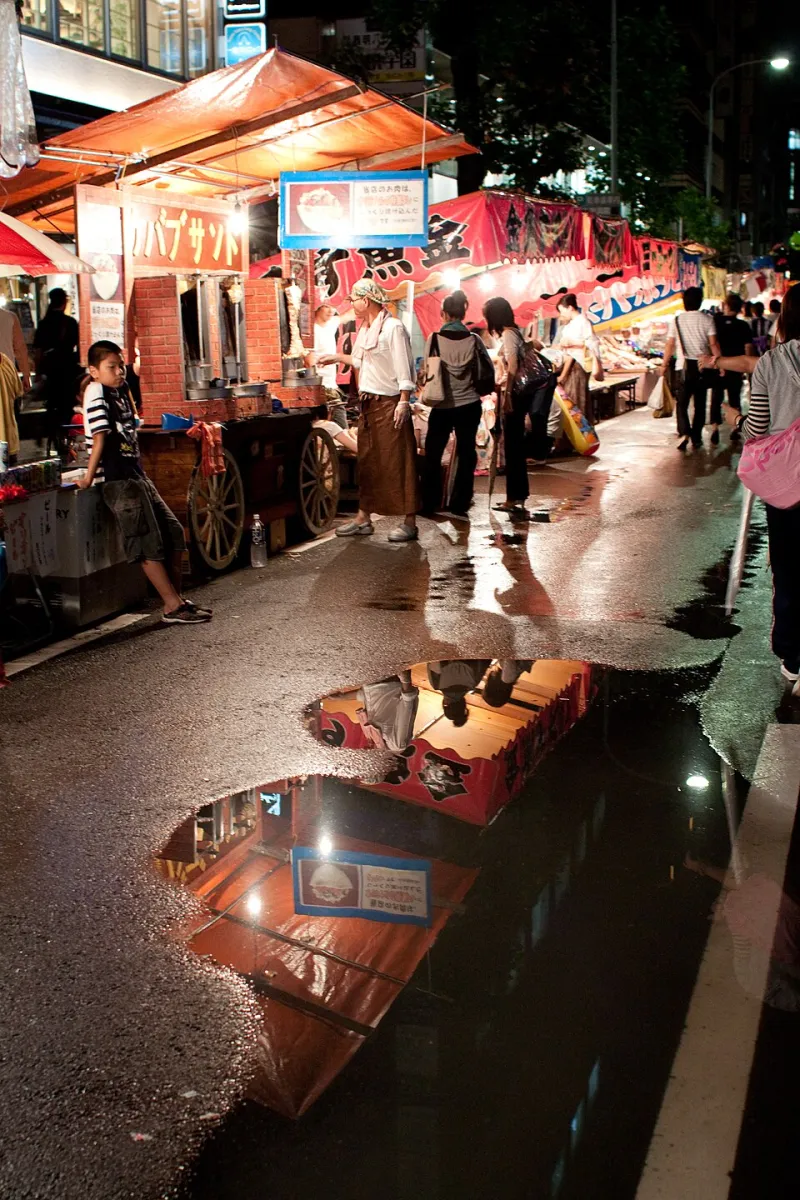
You know the feeling: you're standing on a sidewalk, and a few steps ahead, everything changes. The language on the signs shifts. The currency in your pocket becomes foreign. The smell of lunch drifts from a different kitchen. That's the quiet thrill of a border town—a place where two countries meet, often without fanfare, and where a short walk delivers a full sensory reset.
For American travelers, border towns are the ultimate underdog destinations. They don't get the glossy spreads of Paris or Tokyo, but they offer something those cities can't: a one-afternoon immersion in another culture. No long-haul flight, no jet lag, no major planning. Just a passport, a comfortable pair of shoes, and a willingness to cross.
What Makes a Border Crossing Worth Your Time
Not all border crossings are created equal. The best ones have real cultural texture—places where people actually live, work, and eat on both sides. You want a crossing with a pedestrian walkway, not a sterile highway checkpoint. Look for towns that have a shared history but distinct identities: think San Diego and Tijuana, or Detroit and Windsor. These aren't just lines on a map; they're living laboratories of cultural exchange.
Avoid the massive freight crossings and the heavily militarized checkpoints. Instead, seek out the smaller, walkable crossings where you can stroll from one country to the other in minutes. The Basel region, where Switzerland, France, and Germany meet, is a dream for this kind of adventure. In North America, the bridge between Buffalo, New York, and Fort Erie, Ontario, offers a similar vibe. Even the tiny border town of Derby Line, Vermont, and Stanstead, Quebec, share a library that straddles the line—a literal bookish crossover.
How to Plan a Half-Day Border Adventure
Start by choosing a base city on one side. You don't need to book a hotel in both countries; just pick a spot near the border and use it as your launchpad. From there, plan your day around a single crossing. Morning coffee on the American side, lunch on the other, and maybe a museum or market in between.
Do a little homework: check the crossing hours, know the entry requirements for both countries (a U.S. passport book or card is your best bet for land borders), and have a rough idea of currency. Many border towns accept both currencies, but it's more fun to use local cash for small purchases. And don't forget your phone plan—international roaming can be pricey, so download offline maps and maybe a translation app before you go.
What to Do on Each Side
The key is to let the two sides tell their own stories. On the U.S. side, you might find a diner serving classic burgers and a local history museum. Cross over, and the menu changes to tacos or poutine, the architecture shifts, and the pace quickens or slows. Seek out the public spaces: a plaza, a park, a market. These are where the cultural exchange happens naturally.
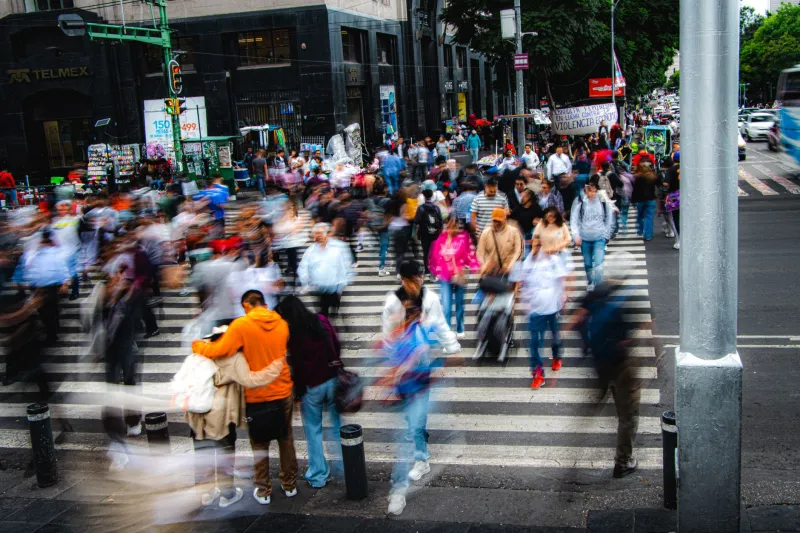
In Tijuana, for example, you can start with a craft beer in San Diego's East Village, walk across the PedWest crossing, and spend the afternoon exploring the bustling Avenida Revolución or the food stalls at Mercado Hidalgo. In Windsor, Ontario, a stroll along the riverfront offers a skyline view of Detroit, a perspective that changes how you see both cities. And in the tri-border region of Basel, you can have breakfast in France, lunch in Germany, and dinner in Switzerland—all within a few tram stops.
Why It's Worth the Detour
Border towns remind us that travel isn't always about distance. Sometimes the most profound shifts happen in a single afternoon. You don't need a two-week itinerary to experience another culture; you just need to cross a line. These mini-adventures are low-stakes, budget-friendly, and endlessly surprising. They teach you to pay attention to the small details—the way a street sign is spelled, the way a cashier greets you, the way a neighborhood feels different from one block to the next.
And for American travelers, border towns are a gentle introduction to international travel. They're close to home, easy to navigate, and offer a taste of the wider world without the commitment of a long trip. Whether you're a seasoned globetrotter or a first-time passport holder, there's something magical about walking from one country to another and realizing that the world is more connected than it seems.
So next time you're planning a getaway, consider the border. Not as a line to cross on your way somewhere else, but as a destination in itself. Because sometimes, the best stories start where the sidewalk ends.