Hear the World Without Leaving the Country: America's Global Live Music Map
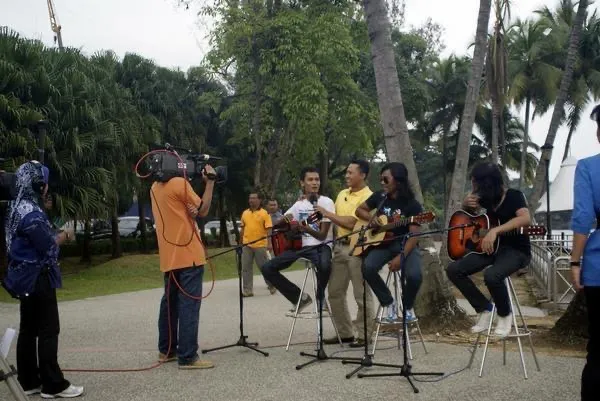
Photo: Tajal Yusoff, CC BY-SA 4.0, via Wikimedia Commons
Close your eyes in a basement bar in Providence on a Sunday night and you could be in Lisbon. The lights are low, a twelve-string guitar rings out, and a singer's voice cracks in that particular way Portuguese fado demands—half heartbreak, half defiance. You're four blocks from a diner serving early bird specials. You are also, for the next two hours, somewhere else entirely.
This is the great overlooked gift of American cities: they are, functionally, the whole world with better parking. And nowhere is that clearer than in the live music scenes that immigrant communities have built, sustained, and generously let the rest of us into. But these neighborhoods are changing fast—rents rise, second generations move to the suburbs, venues close—and the honest truth is that some of these sounds won't sound like this forever. Consider this your map, and your nudge.
Fado Nights in Providence, Rhode Island
New England's oldest Portuguese community has been singing saudade—that untranslatable longing—since the 19th century. The heart of it is the Fox Point and East Side corridor, where restaurants like O Dinis and the neighborhood institutions around the India Point area host regular fado evenings, often with guitarra portuguesa players who learned from their fathers.
Go for: Sunday dinner with a show; the codfish cakes are non-negotiable. Know before you go: Fado etiquette leans reverent. Applaud after songs, not during. The hush is part of the experience.
Cumbia in Chicago's South and West Sides
Chicago's Colombian community has turned cumbia—the accordion-driven heartbeat rhythm that grew out of Colombia's Caribbean coast—into a year-round live fixture. Look to venues like Thalia Hall in Pilsen for touring Colombian acts, and keep an eye on community dances at the Humboldt Park fieldhouse circuit, where local cumbia and vallenato bands play for crowds spanning three generations.
Go for: Dancing. Nobody will check your skill level. Cumbia's shuffle is forgiving and contagious. The backstory: Many of Chicago's Colombian musicians trace their lines back to coastal towns like Cartagena and Barranquilla, bringing a sound that blended Indigenous, African, and European traditions—played now in a city built by immigrants doing exactly the same thing.
Desert Blues in Oakland, California
When the Sahara's Tuareg guitarists—think Tinariwen, Mdou Moctar—tour America, Oakland reliably shows up. The Bay Area's West African and Saharan music scene, anchored by venues like the New Parish and the Starline, has made the city a reliable stop for Malian desert blues, that hypnotic, reverb-soaked style born in refugee camps and carried on electric guitars.
Go for: Guitars that sound like wind over dunes and drummers who simply do not stop. Timing tip: Check calendars around spring and fall—West Coast tours between festival dates often include small Oakland rooms you'll later brag about having seen.
Klezmer Revival in New York City
The Lower East Side gave klezmer to America a century ago, and while the neighborhood has changed beyond recognition, the music never left—it just migrated. The Center for Traditional Music and Dance and Brooklyn venues like Barbés and Jalopy Theatre keep Eastern European Jewish folk music thriving, often with young players who've studied the old 78s frame by frame.
Go for: Weddings' worth of energy in rooms holding fifty people. Klezmer is participatory. Clapping is expected. So is emotional devastation, two songs later.
Salsa Dura in Miami
Not the glossy club version—the hard-edged, brass-forward salsa dura that Cuban and Puerto Rican musicians carried to South Florida. Little Havana's Ball & Chain on Calle Ocho hosts live bands nightly, and the deep-cut rooms around Allapattah book son cubano and salsa orchestras that treat every set like a recording session.
Go for: Horn sections that hit like weather. Arrive hungry; the music and the food operate on the same generous logic.
Why Now
Every one of these scenes exists because someone's grandmother insisted the music come with them when the family moved. They survive because someone shows up on a weeknight. Culture-bearing neighborhoods don't freeze in amber—they evolve, sometimes beautifully, sometimes at a cost. The songs are still here, in rooms you can walk into tonight.
The world is playing live, all across this country, most nights of the week. All that's missing is you, in the crowd, eyes closed, four blocks from home and a hemisphere away.