Sleep Through Austria, Wake Up Somewhere New: Europe's Night Trains Are Calling
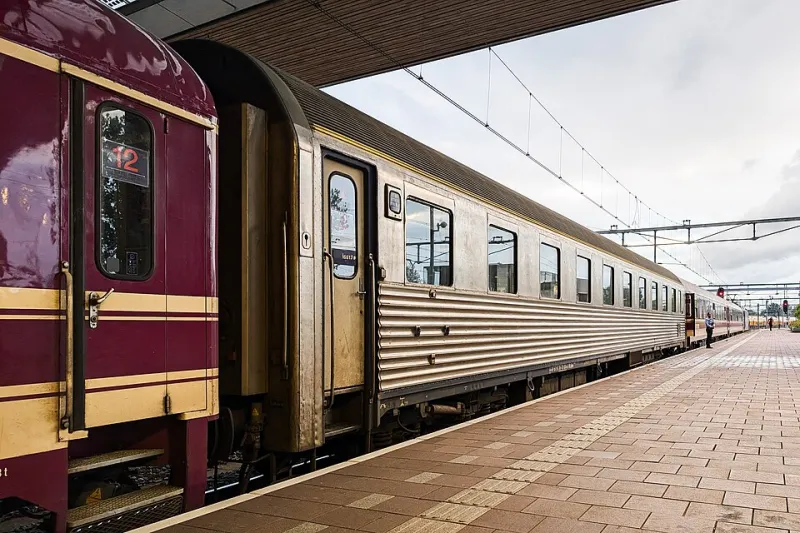
Photo: Bvcmz248.5, CC0, via Wikimedia Commons
There's a particular magic to falling asleep in one country and opening your eyes in another. No security lines at 5 a.m., no middle seat, no craning your neck at an arrival board. Just the gentle rock of the rails, a city sliding past your window, and morning coffee waiting on the other side.
Night trains are back. After decades of watching routes disappear across Europe, sleeper services have staged a genuine comeback—and American travelers, increasingly weary of red-eye flights and budget-airline fees, are taking notice.
Why the Overnight Train Revival Is Happening Now
A few forces converged. Climate-conscious travelers started looking for alternatives to short-haul flights. Several European governments, Austria chief among them, invested in expanding sleeper networks when private operators pulled out. And a new generation of travelers decided that if a journey takes twelve hours anyway, they'd rather spend it horizontal in a bunk than vertical in seat 27C.
ÖBB Nightjet now stitches together Vienna, Munich, Paris, Rome, and beyond. New operators like European Sleeper run Brussels to Berlin and are pushing east. In Vietnam, the Reunification Express rumbles from Hanoi to Ho Chi Minh City. In India, overnight trains remain one of the great travel experiences on earth.
What a Sleeper Car Actually Costs and Feels Like
Prices vary more than you'd expect. A couchette berth (shared compartment, four to six bunks) on a Western European night train typically runs $50–$130 depending on demand and how early you book. A private sleeper compartment with a proper bed, sink, and breakfast included can climb to $200–$350. Compare that to a same-day flight plus a hotel night, and the math starts looking friendly.
What's it like? Picture a compact hotel room on rails. You get a pillow, a blanket, a small breakfast tray, and—if you're lucky—a window. The train slows through stations at 2 a.m., and yes, there's a clickety-clack. Most people report sleeping better than expected. Bring earplugs anyway.
Booking Tips Before You Board
- Book early. Sleeper berths are limited and priced like airline seats—the good ones go first.
- Use the operator's own site (Nightjet, European Sleeper, Trainline) rather than third-party aggregators when possible.
- Pack a small overnight bag with essentials so you're not digging through your main luggage in a bunk the size of a yoga mat.
- Check passport requirements—night trains cross borders, and some do ID checks in the hallway at odd hours.
- Arrive at the platform early. Trains can be long, and your car might be a ten-minute walk down the platform.
Test the Trend at Home First
Not ready to commit a European vacation to rails? Amtrak offers a solid proving ground. The Crescent runs from New Orleans to New York overnight—about 30 hours of rolling through the South. The Coast Starlight hugs the Pacific from Seattle to Los Angeles, and the California Zephyr crosses the Rockies and Sierras in what many call the most scenic train ride in America.
Book a roomette on any of these and you'll get a taste of the rhythm: dinner in the dining car, a bed that folds down over the seats, breakfast as farmland or coastline scrolls by. If you love it, Vienna is waiting. If you hate it, you've saved yourself a transatlantic experiment.
The slow journey, it turns out, isn't a delay. It's the destination—just arriving at a gentler pace.