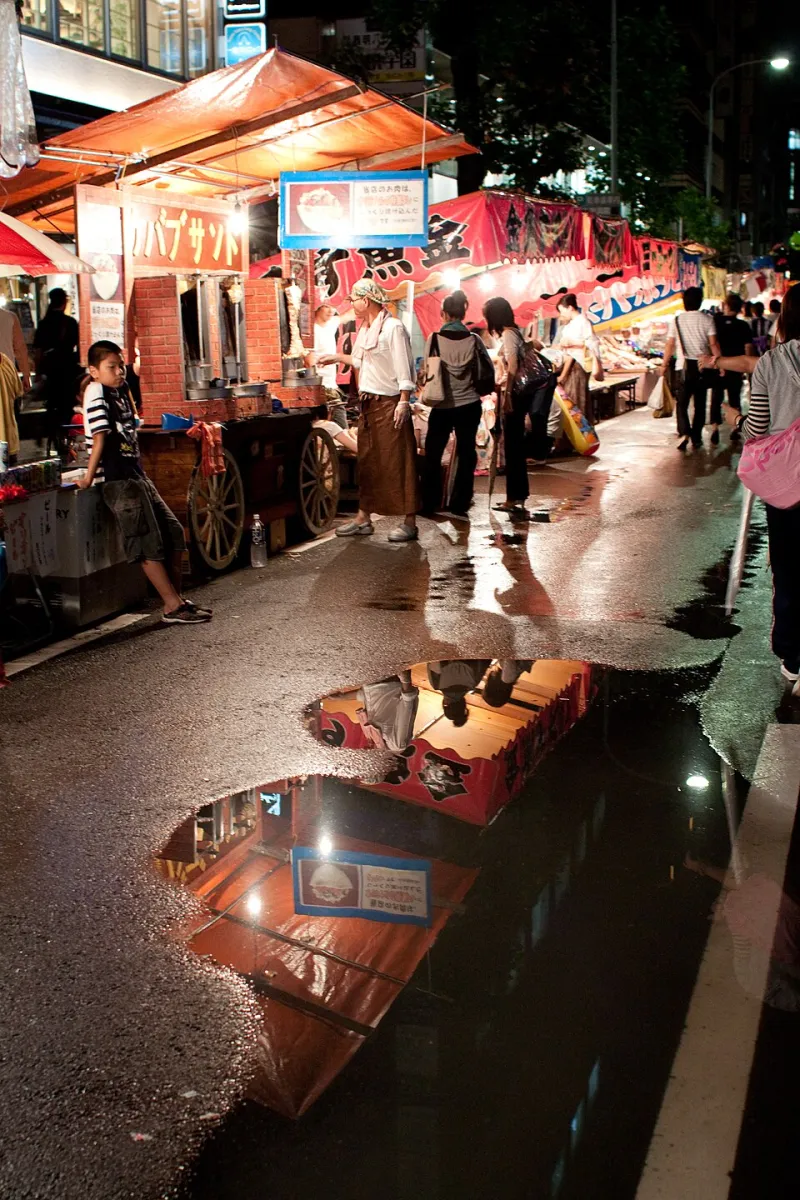
Your Passport Is in the Produce Aisle: A Tour of America's International Grocery Stores
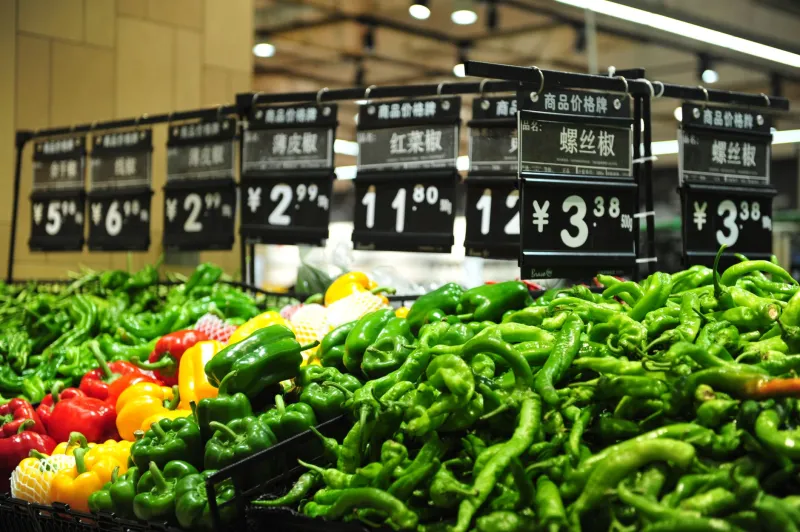
There's a moment that happens in almost every good international grocery store. You're standing in front of a wall of sauces you can't read, holding a fruit you've never seen, and someone nearby — usually the person stocking the shelves — offers a single sentence that changes your dinner plans forever. "That's for soup. You want the young ones." And just like that, you're no longer in a strip mall in suburban America. You're somewhere else entirely.
We spend a lot of time on this site talking about flights, itineraries, and far-flung neighborhoods. But here's a truth worth sitting with: some of the most vivid cultural exchange in America happens in the produce aisle, twenty minutes from your house, for the price of a takeout order.
The Strip Mall Is the New Departure Gate
Every major American city has its version of this. In Houston, along Bellaire Boulevard, the Vietnamese markets are so complete you could stock a full kitchen from the herbs alone — sawtooth coriander, Thai basil with the purple stems, culantro that tastes nothing like its cousin. Ask for the bones behind the counter and you've got the makings of a pho broth that will make your kitchen smell like a Saigon side street by morning.
Drive up to Chicago, and the story shifts east. In neighborhoods like Avondale and along the Milwaukee Avenue corridor, Eastern European bakeries and markets sell poppy seed filling by the tub, smoked fish in vacuum packs, and dark rye breads with the heft of a brick. Pop into a Polish deli on a Saturday and you'll leave with pierogi, kielbasa, and a jar of something pickled that the cashier will insist you try before you buy.
The pattern repeats everywhere. Korean markets in Atlanta's Duluth corridor. Oaxacan and West African markets in the Bronx. The enormous H Mart and 99 Ranch ecosystems that have quietly become weekend destinations for people who don't share a single word of the store's home language. These aren't just shops. They're embassies of flavor, run by families who decided that the food of home was worth shipping six thousand miles.
Meet the People Behind the Counter
What separates a great international market from a big-box store with a "world foods" section is ownership. Walk into a family-run market and you're usually talking to someone who can tell you exactly which village a cheese comes from, or why their brand of fish sauce is better than the flashy one at eye level.
In Houston, the pho ingredient run is practically a civic ritual: brisket and bones from the butcher counter, rice noodles from the refrigerated case, star anise and rock sugar from the dry goods wall. The regulars know to ask the meat cutter to slice the brisket thin for the hot pot. The newcomers learn by watching.
In Chicago's Polish bakeries, the matriarchs behind the counter will tell you which loaf to buy for dunking and which one is for toast — and they'll be right. This is the part no guidebook can replicate. The store owner who tells you, unprompted, "No, the sour one, the one my grandmother used," is doing more for your cultural education than a week of documentaries.
Five Ingredients to Start Cooking the World
You don't need a full pantry overhaul. Start with these and one simple recipe per cuisine:
- Fish sauce (nuoc mam or patis): The backbone of Southeast Asian cooking. Whisk with lime, sugar, garlic, and chilies for a dipping sauce that improves everything.
- Gochujang: Korean chili paste — sweet, funky, spicy. Stir into mayo for the world's best sandwich condiment.
- Duck eggs or quail eggs: Available at most Asian markets; fry them, pickle them, or add them to ramen.
- Smoked paprika and preserved lemons: The tag team of North African cooking. Toss with chickpeas and olive oil, and you're in Marrakech.
- Fresh masa or frozen pandan leaves: Depending on your aisle, you're either making tortillas from scratch or a coconut-pandan dessert rice. Either way, you win.
Your 'Cook a Country' Starter Kit
Pick a country. Commit to a month. Then:
- Visit one market and buy three ingredients you can't pronounce. Ask staff what they do with them. They will tell you, and it will be better than any recipe app.
- Learn one dish properly rather than five dishes badly. A single pot of real pho or a real dal teaches you more than a whole cookbook skimmed.
- Eat the street food version too. Find the restaurant or food truck run by people from that country and taste what you're aiming for.
- Write down what surprised you. That notebook becomes the best travel journal you own.
When you finally do book the flight — and you should — you'll land in Hanoi or Kraków or Oaxaca already knowing the smell of the kitchen. That's the quiet magic of the global pantry: the world was closer than you thought. It was waiting by the checkout line, next to the lottery tickets, the whole time.