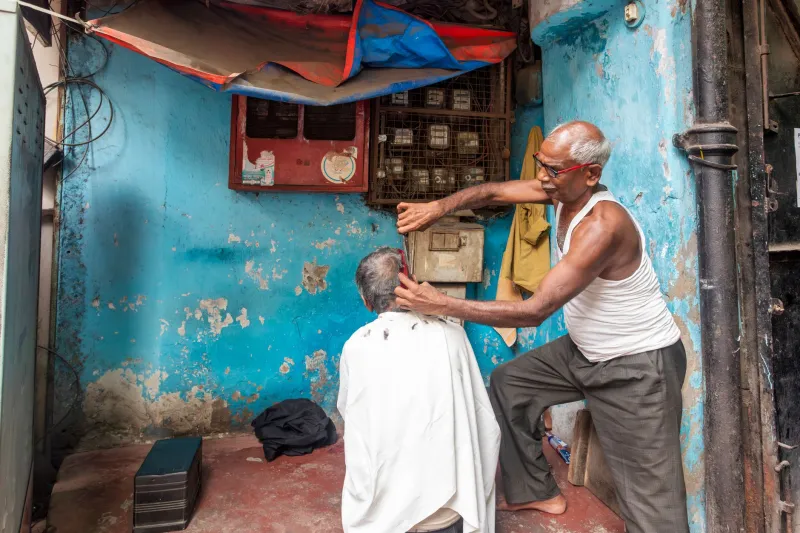
The Floor Is the First Conversation: A Traveler's Guide to Local Dance Nights
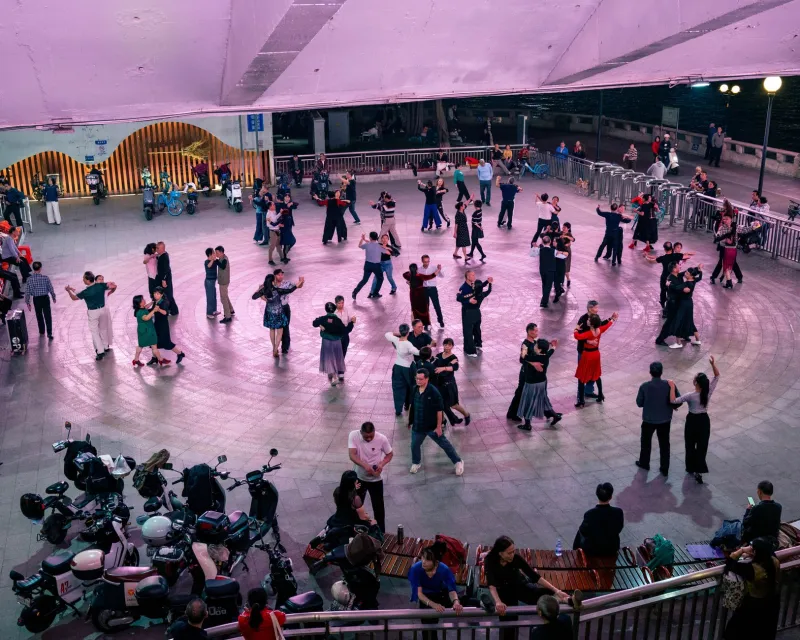
You can spend months drilling phrases on your phone and still freeze when a stranger extends a hand. A dance floor is different. In a Miami salsa room, a Buenos Aires milonga, or a Scottish village hall, the invitation is physical. The music starts, someone nods, and suddenly you are in a conversation with a beat. That is the strange gift of a local dance night: it turns a room full of strangers into a low-stakes language lab, and it does not care how many semicolons you can conjugate.
Why the Dance Floor Beats Another Lesson
Language apps are excellent at teaching words in isolation. They are less helpful with timing, humor, consent, and the graceful recovery after you mess up. Dance nights teach all four. You learn that a question can be a glance, that a no can be polite, and that nobody expects a beginner to nail the footwork on the first try. You also learn the local rhythm of politeness. In some rooms, you ask with words. In others, you ask with eye contact. In a ceilidh, you may not need to ask at all, because the caller is talking everyone through the next set while half the room laughs at itself.
That is why a social dance can feel more useful than another hour of phrasebook drilling. You are not memorizing a script. You are practicing being new in public, which is most of what travel asks of you anyway.
Pick the Right Room, Not the Showiest One
Start by looking for a social dance, not a performance. Dinner-and-a-show tango packages can be lovely, but they are theater. A neighborhood milonga, a church-hall salsa night, or a pub ceilidh is participation. Search terms help: social dance, beginner lesson, drop-in class, practica, milonga, ceilidh, and folk dance night. Check the schedule for a lesson before the social dancing begins. Many scenes run a forty-five-minute intro session specifically for people who have never tried the style. Go early, tell the organizer you are new, and ask which corner of the room is friendliest to beginners.
In Miami, look for a salsa or bachata social with a pre-party lesson. In Buenos Aires, a milonga with a beginner practica is a gentler entry than a formal late-night floor. In Scotland, a ceilidh at a community hall or pub is often designed for people who have no idea what they are doing; the caller is there to rescue you. The common thread is not the step. It is the welcome mat.
The Ask Is the Lesson
Etiquette changes from scene to scene, but a few rules travel well. Make eye contact, smile, and ask clearly. Accept a no without a debate. In salsa rooms, ask between songs rather than mid-dance, and plan on one or two songs before thanking your partner. In Argentine tango, the ask may be a cabeceo: eye contact and a small nod from across the room, rather than walking over and tapping someone on the shoulder. In a ceilidh, the whole room is your partner; join a set, follow the caller, and let the chaos be part of the fun.
Do not correct your partner unless they ask. Do not apologize for every wrong step. Do not treat the dance as a private lesson. Wear shoes that let you pivot, keep your hands where they are welcome, and skip the cologne that could clear a ballroom. If you are lost, say so with a smile: I am new, will you show me the basic? Most people would rather dance with a curious beginner than a stiff expert.
Three Moves and One Graceful No
You do not need a full syllabus. Learn the basic step, one simple turn, and how to reset when you lose the rhythm. More important, learn how to decline. A smile and a clear no, thank you is enough. If someone declines you, let it go. If you feel uncomfortable at any point, stop and walk away. Consent on the dance floor works like consent anywhere else: it is ongoing, and it does not expire because the music is loud.
That sounds serious, and it is, but the tone of a good social dance is usually light. People are there to have fun, not to audition you for a competition. The person who laughs at their own mistake is often the most popular partner in the room.
What Stumbling Teaches You
Here is the part no app can replicate. When you stumble, you learn to read a partner's face. When you follow, you learn to listen with your whole body. When you lead, you learn to make room for someone else's timing. You learn that being a beginner is a social passport, and that a little humility gets you farther than a lot of vocabulary. After the dance, people talk. You may walk away with a restaurant recommendation, a neighborhood tip, or an invitation to tomorrow's practica.
That is the quiet magic of a local dance night. It does not make you fluent. It makes you connected. The floor is the first conversation, and the steps are just the opening line.
Practical Notes Before You Go
Pack shoes that slide rather than grip, bring a layer in case the hall runs warm, and keep your phone in your bag once the music starts. Go with a friend if you are nervous, but do not be afraid to go alone; organizers are used to solo newcomers. Arrive for the lesson, stay for the social, and leave before you are exhausted. Tip if the venue expects it, thank the band or DJ, and ask before taking photos. And if you are planning a trip in 2026, leave one evening unbooked. Find the room where the locals dance, walk in with two left feet, and let the floor do the talking.