Before You Book the Flight, Raid the Consulate Calendar
Most of us walk past the same downtown buildings every week without looking up. A few of them fly flags you don't recognize. Some have brass plaques, security cameras, and a lobby that looks like it belongs to a law firm. These are consulates, and they are not just places where visas get stamped and lost documents get replaced. They are also some of the most underused cultural venues in American cities.
I am not talking about embassies in Washington, DC—though those host plenty, too. I mean the consulates general and cultural offices scattered around New York, Chicago, Los Angeles, San Francisco, Miami, Houston, Boston, Seattle, Atlanta, and plenty of smaller cities. They run film series, art exhibitions, language meetups, lecture nights, holiday celebrations, and food events. Many are free. Most are open to anyone who RSVPs. And almost none require you to show a passport.
The Quietest Cultural Venue in Town
Consulates have a built-in advantage over museums and clubs: they are in the business of explaining a country to outsiders. That means the programming tends to be curated rather than random. A Japanese consulate might screen a contemporary drama with subtitles and a short Q&A. A Mexican consulate could host a folk-art workshop or a conversation with a visiting chef. A Scandinavian mission might throw a midsummer gathering that turns into a garden party. The goal is cultural diplomacy, which sounds stiff until you realize it often means free snacks and a room full of people who are genuinely curious.
The vibe is different from a typical travel meetup. You get a mix of expats, students, academics, businesspeople, and locals who have some connection to the country—or none at all. It is less performative than a language exchange bar and more relaxed than a formal lecture. You can show up alone, listen to a talk, ask a question, and leave without feeling like you failed at networking.
What Actually Happens at a Consulate Event
Exact formats vary, but the good ones follow a pattern. There is usually a check-in table, a name badge, and a security screening. Some consulates ask for photo ID; a few may ask you to leave large bags at home. You will often pass through a metal detector, especially in bigger cities. Do not treat this as a visa appointment or a place to ask about immigration paperwork. It is a cultural event, not a service window.
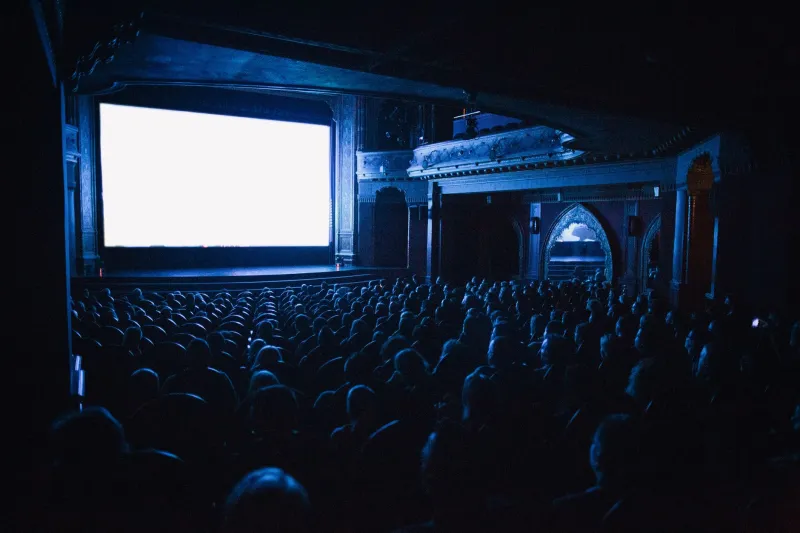
Once inside, expect a short program and a long mingling session. Film nights often come with subtitles and a discussion afterward. Art openings might include a curator talk. Language meetups are usually low-pressure, with name tags showing which languages you speak. National-day celebrations can be more festive, with music, toasts, and traditional food. The best events feel like a friend's living room got a diplomatic upgrade.
How to Find the Good Stuff (Without a Passport)
Start with the obvious: search for the country's consulate in your city and look for a cultural events page. Not every consulate has a robust calendar, and some are more active than others. Check the consular district—the region a consulate covers—because a consulate in Chicago may serve several states, and its events may rotate.
A few reliable search phrases: the country name plus consulate plus your city plus cultural events; the country name plus cultural institute plus your city; and the country name plus film festival plus consulate. Many consulates also publish newsletters, and those are worth signing up for. Eventbrite and social media accounts sometimes list programs before the official website does. If you are near a university with a strong regional studies department, check its events calendar too—visiting consular staff often show up there.
Do not overlook honorary consulates. They are often smaller and less event-heavy, but they can point you toward local cultural groups. And if you are in a city without a consulate for the country you are curious about, look for a sister-city organization, a cultural center, or a university outreach office. The consulate is just the easiest door to find.
A Few House Rules That Matter
RSVP and show up. Consulates are secure buildings with limited space, and a no-show can mean someone else missed out. Bring the ID they ask for, arrive a little early, and dress like you are going to a thoughtful evening event—not a beach bar. If there is a reception, take a small plate, say thank you, and do not camp by the food table.
Ask questions, but read the room. People are often happy to talk about the country they represent, but they are not there to plan your entire vacation. Keep visa and legal questions for the proper channels. If a talk is in progress, put the phone away. And if you do not speak the language, that is fine. Most events are designed for a mixed audience, and English is usually the common thread.
Why This Beats Another Travel Documentary
Watching a documentary about a place is passive. Walking into a consulate event is a small act of participation. You hear how people talk about home. You taste something you cannot find in the grocery store. You meet someone whose cousin runs a guesthouse in a town you had never heard of. That is the kind of travel research no guidebook can sell you.
It also makes you a better visitor. When you eventually book the flight, you will arrive with context—not just a list of sights. You will know a little about the food, the humor, the holidays, and the way people describe their own country. That is worth more than another saved reel.
Turn One Evening Into a Neighborhood Crawl
Treat consulate events as a reason to explore a part of your city you usually skip. Many are downtown or near embassy rows, which means you can pair a film screening with dinner at a nearby restaurant from the same region. Check the consulate calendar for a Friday event, then build a whole evening around it: a talk, a walk, a meal, and maybe a stop at a market or bookstore.
You might not leave with a stamp in your passport. You will leave with a better sense of where you want to go next—and a reminder that the world is closer than the departures board suggests. Start with one event. Bring a friend or go solo. The consulate next door is already open; you just have to look up.