The Return Ticket Advantage: Why Familiar Streets Tell Better Stories
There's a particular kind of travel math most of us do without thinking: new country beats old country, new city beats old city, and any destination you've already seen gets quietly demoted to "been there." It's an understandable instinct. Flights are expensive, vacation days are scarce, and the world keeps publishing lists of places you haven't been.
But ask anyone who's traveled a lot and you'll hear a quieter confession. The trips that changed them weren't usually the first ones. They were the second ones.
The First Trip Is a Scavenger Hunt
Think about what a debut visit actually looks like. You land groggy, you figure out the metro, you hit the three things every guidebook insists you can't miss, and you spend a surprising amount of energy just confirming you're in the right place. You're orienting. You're checking boxes. You are, in the most literal sense, getting your bearings.
None of that is bad—it's necessary. But it leaves almost no bandwidth for the part of travel people actually remember: the conversation with the woman at the market who insists you try the ugly fruit, the bartender who draws you a map of his cousin's neighborhood, the bus driver who starts nodding at you on day four.
Those moments don't require a new destination. They require time. And time is exactly what a return trip buys you.
What Recognition Actually Feels Like
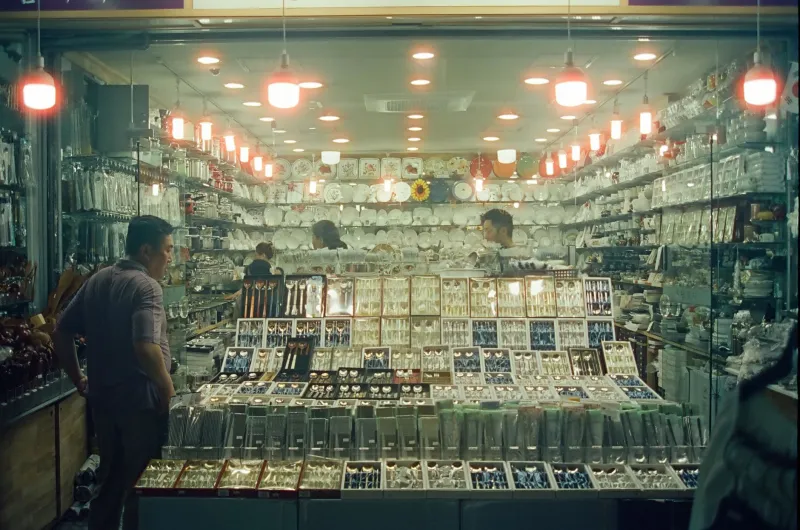
Go back to the same neighborhood café on a second visit and something shifts. The barista doesn't hand you a menu—she hands you what you ordered last time, or at least asks if you want it again. The vendor at the stall where you bought olives remembers that you were traveling with your sister. Someone asks where you've been.
That's not a small thing. Being recognized is the first step toward being known, and being known is the doorway to real cultural exchange. You stop being a visitor who consumes a place and start being a person who participates in it, even briefly.
There's a practical upside, too. When you already know how the transit works, where the grocery store is, and which street is a tourist trap, your brain frees up enormous capacity—for language, for curiosity, for saying yes when someone invites you to something you don't fully understand.
The Second Trip Is Cheaper Than You Think
Here's the argument that usually kills the idea: Why go back when I could go somewhere new for the same money?
Sometimes that's true. But repeat trips have a habit of costing less than the original, for reasons that have nothing to do with luck.
- You don't pay the rookie tax. No emergency taxi from the airport, no overpriced dinner because you didn't know where else to go, no replacing the adapter you forgot.
- You can travel in shoulder season. On a first visit you want reliable weather. On a second, you can chase the cheaper, quieter weeks on either side of peak.
- You can stay put. One neighborhood, one rental, one week. Fewer moves means fewer transit tickets and often a better weekly rate.
- You already have the map. Walking replaces Ubers. Knowing where the good cheap lunch is replaces three mediocre ones.
Add in a fare alert, a credit card companion ticket, or a long weekend that doesn't eat a full week of PTO, and the repeat trip starts looking less like a luxury and more like a smart use of the miles you already have.
Choose One Thing to Do Differently
The trap of a return visit is trying to recreate the first one. You will not. The light won't be the same, the restaurant you loved may have changed hands, and the stranger who made your trip is not a fixture.
So build the second trip around a single deliberate difference, and let the rest stay familiar.
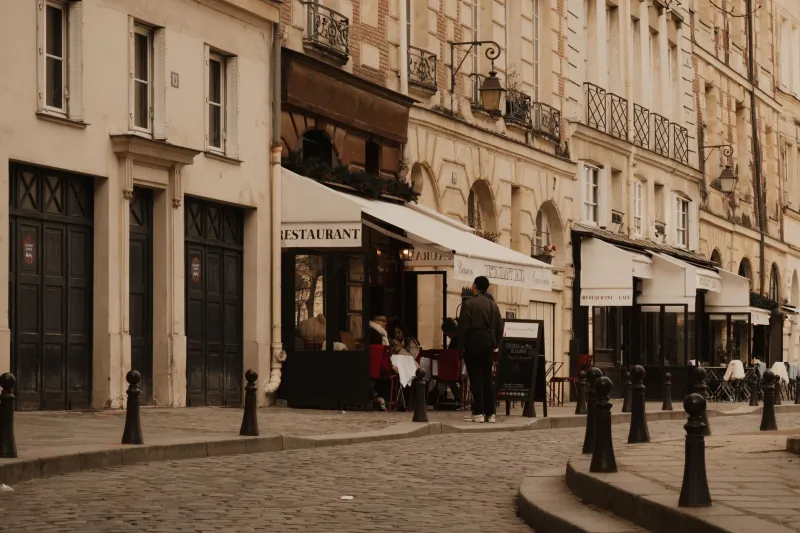
Pick a new district and make it home base. Same city, different neighborhood. You get the comfort of knowing the city plus the discovery of learning a new corner of it.
Ride one bus line end to end. Not the hop-on-hop-off loop—the actual city bus. Sit in the back, watch the stops change, get off somewhere that isn't on any list.
Take a class instead of a tour. A cooking session, a print workshop, a language hour. Two hours of doing beats two hours of looking, and you'll leave with someone's phone number instead of a photo of a plaque.
Bookend the familiar. Return to your café on day one and again on your last morning. Everything in between is yours to improvise.
Leave Room for the Place to Have Moved On
One honest caveat: a city is not a museum exhibit, and it will not hold still for your nostalgia. The shop may be a coffee bar now. The square may have scaffolding. The family you met may have moved.
That's not a reason to skip the trip—it's the point. A second visit lets you see a place as a living thing rather than a backdrop, and it lets you practice the most underrated travel skill there is: showing up curious instead of expectant.
The Story You Actually Bring Home
Nobody comes back from a first trip with a story about a bus route. They come back with a photo of a cathedral and a vague memory of a great meal.
But the second trip? That's where the material lives—the vendor who remembered your name, the wrong turn that turned into an afternoon, the small, unglamorous familiarity of walking into a place and not needing to ask where anything is.
Passport stamps are souvenirs. Relationships are the trip. And relationships, in travel as in life, rarely happen on the first date.
So before you book somewhere new, pull up the photos from the last place that got under your skin. Check the fare calendar for the off-season month you'd never have considered the first time around. Send one message to the person who served you coffee three years ago, even if they won't remember.
Then go back. You already know the way.